What Is a QR Code? Complete Guide 2026
Everything you need to know about QR codes: how they work, types, use cases, and why businesses worldwide rely on them.
What Is a QR Code?
A QR code (Quick Response code) is a two-dimensional barcode that can store various types of data — URLs, text, contact information, WiFi credentials, and more. Unlike traditional barcodes that only store data horizontally, QR codes store data both horizontally and vertically, allowing them to hold significantly more information.
How Do QR Codes Work?
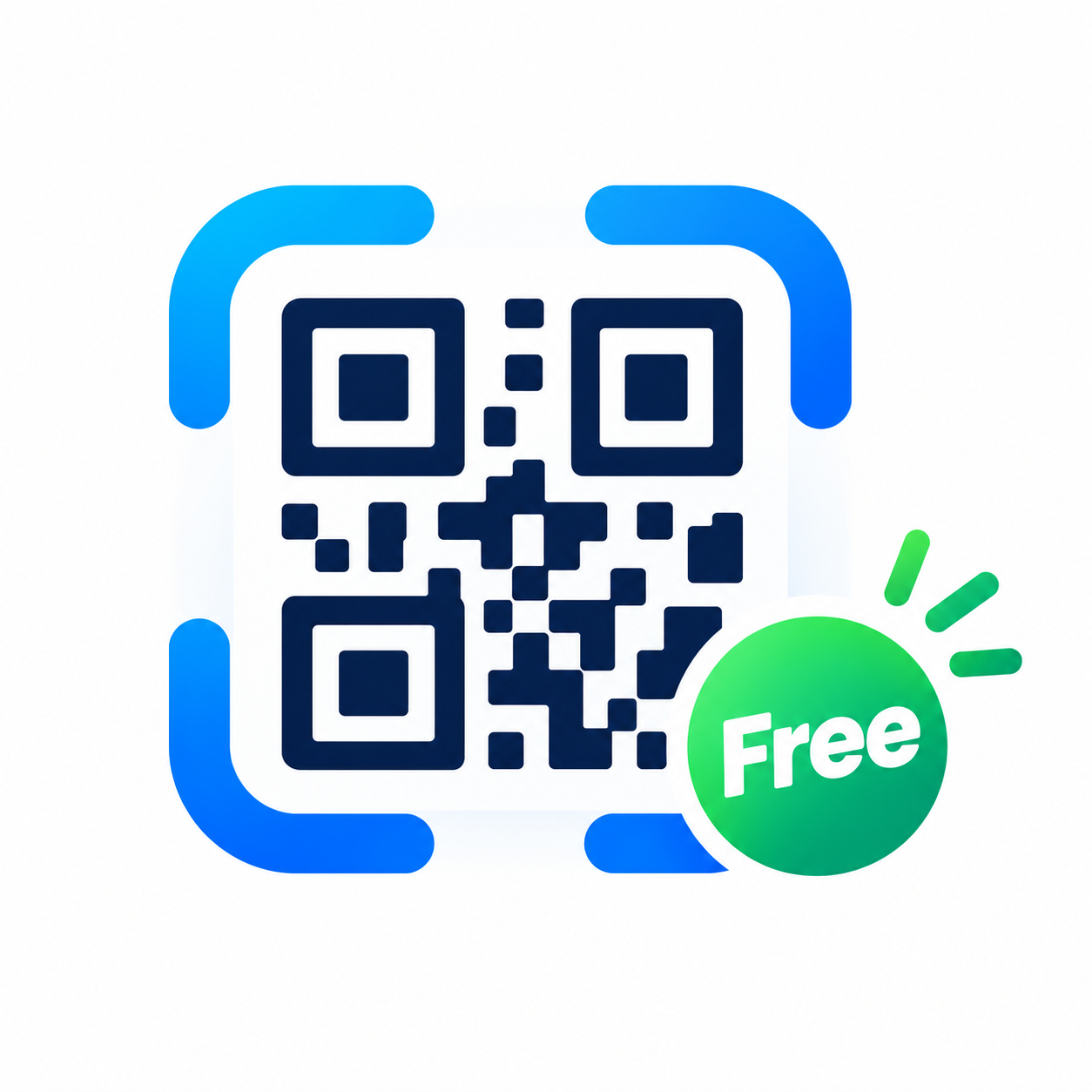
QR codes use a grid of black and white squares (modules) to encode data. The three large squares in the corners are called "finder patterns" — they help scanners determine the code's orientation and boundaries. The smaller squares and dots in the center contain the actual encoded data.
When you scan a QR code with your phone camera, the device reads the pattern of modules, decodes the data, and takes the appropriate action — opening a URL, saving a contact, connecting to WiFi, etc.
Types of QR Codes
- URL QR Code — Opens a website when scanned
- Text QR Code — Displays plain text
- WiFi QR Code — Connects to a WiFi network automatically
- vCard QR Code — Saves contact information to your phone
- Email QR Code — Opens a pre-filled email
- Phone QR Code — Initiates a phone call
- SMS QR Code — Opens a pre-filled text message
- WhatsApp QR Code — Opens a WhatsApp chat
- Location QR Code — Opens a map with GPS coordinates
- Event QR Code — Adds an event to your calendar
- Crypto Wallet QR Code — Shares a cryptocurrency wallet address
- Social Media QR Code — Links to your social profile
Static vs Dynamic QR Codes
Static QR codes encode data directly. Once generated, the content cannot be changed. They're perfect for permanent information like WiFi passwords or contact details.
Dynamic QR codes use a short URL that redirects to your destination. You can change the destination URL anytime without reprinting the QR code. They also allow you to track scan analytics.
QR Code Error Correction
QR codes include built-in error correction, meaning they can still be scanned even if partially damaged or obscured. There are four levels:
- Low (L) — 7% of data can be restored
- Medium (M) — 15% of data can be restored (recommended)
- Quartile (Q) — 25% of data can be restored
- High (H) — 30% of data can be restored (best for codes with logos)
Common Use Cases
- Restaurant menus and ordering
- Business cards and contact sharing
- Product packaging and labels
- Event tickets and check-in
- Marketing campaigns and advertisements
- Payment systems
- WiFi access in hotels and cafes
Ready to Create Your QR Code?
Free, no signup required. Generate QR codes instantly in your browser.
Create a QR Code →